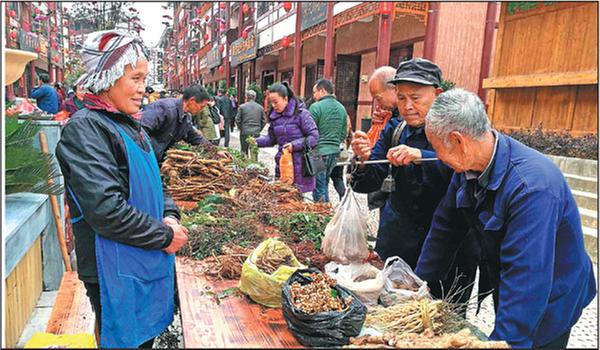
Miao Medicine
Introduction
Miao medicine is a traditional medical practice developed by the Miao ethnic group, primarily in Southwest China's Guizhou province. It's rooted in centuries of experience and close interaction with nature.
Recognized for its cultural significance, Miao medicine was inscribed as a state-level intangible cultural heritage in China in 2008. This designation highlights its importance as both a living tradition and a valuable healthcare system.
Historical Background
The origins of Miao medicine can be traced back to the early migration and settlement patterns of the Miao ethnic group. For generations, the Miao people have relied on their deep understanding of the local environment, utilizing the abundant flora and fauna in Guizhou's diverse ecosystems to develop remedies for various ailments. Their medical practices evolved through oral transmission, often passed down within families or specific clans.
Miao medicine retains many of its indigenous elements, emphasizing local herbs, unique preparation techniques, and spiritual healing practices. Over time, Miao medicine has developed its own medical theories, blending practical experience with cultural beliefs about health and disease.
Features and Principles
Miao medicine is characterized by its reliance on natural resources and holistic approaches to health. Key features include:
• Herbal Diversity: Miao practitioners utilize over 500 plant species, many of which are native to the karst landscapes of Guizhou province. These herbs are often combined into unique formulations tailored to individual needs.
• Diagnostic Techniques: Diagnosis in Miao medicine often involves observing physical symptoms, patient narratives, and environmental factors. Traditional healers emphasize the balance between the body, mind, and surroundings.
• Therapeutic Methods: Common treatments include herbal decoctions, external poultices, and acupuncture-like techniques using bone or wooden needles. The Miao also employ methods such as fire therapy and medicinal baths, which are integral to their healing practices.
Modern Development and Challenges
In recent years, efforts have been made to document and preserve Miao medicine, particularly in Guizhou province. Scholars and healthcare professionals have collaborated to standardize practices, catalog medicinal herbs, and integrate Miao medicine into broader healthcare systems. Educational programs and research centers dedicated to Miao medicine have been established, promoting its development as a complementary therapy alongside modern medicine.
However, challenges remain. The oral transmission of knowledge means that much of Miao medicine is at risk of being lost as younger generations migrate to urban areas. Additionally, overharvesting of certain medicinal plants poses threats to biodiversity, highlighting the need for sustainable practices.
As a state-level intangible cultural heritage, Miao medicine is a symbol of the Miao ethnic group's resilience and creativity. It embodies their intimate relationship with nature and their ability to adapt to challenging environments. Beyond its practical applications in healthcare, Miao medicine serves as a repository of cultural identity and traditional wisdom, reflecting the richness of China's multiethnic heritage.








